Drukarz Kacper
Katedralna 1/3
Drukarz Kacper stands at ul. Katedralna 1/3 on Ostrow Tumski, honouring Kasper Elyan, the 15th-century printer who produced the first Polish-language printed text on this very island. He was installed in 2016 and is sculpted by Grzegorz Lagowski.
Check In
Turn Your Walk Into an Adventure
Wrocław's streets are full of tiny hidden treasures. Every dwarf you discover gets added to your personal Dwarf Trail — a free collection of stamps, stories, and memories from your time in the city.
No rush — collect at your own pace.
No app download · Works on any phone
Drukarz Kacper
Your first check-in here always drops this card.Sign in and check in at this dwarf to collect its card.
Story
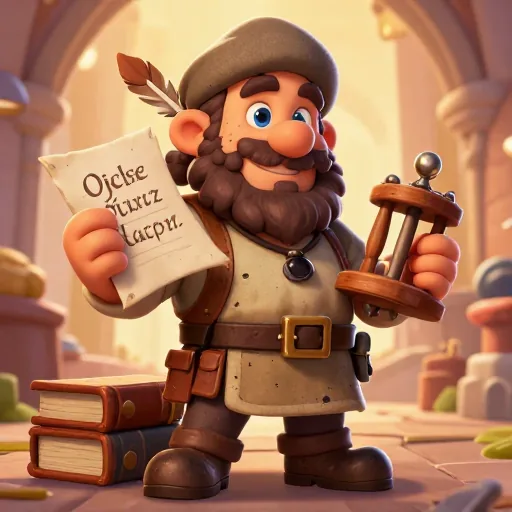
Drukarz Kacper (Kacper the Printer) sits proudly at ul. Katedralna 1/3 on Ostrow Tumski, the oldest part of Wroclaw, right beside the Archdiocesan Publishing House. He honours Kasper Elyan, a 15th-century canon who ran the 'Swietokrzyska' printing house on Ostrow Tumski and produced the very first printed text in the Polish language — the Lord's Prayer ('Ojcze Nasz'). In the dwarf's tiny hands rests a piece of paper with those historic words, and around him stand miniature printing press equipment and stacked books. 'Though time passes, the Oder flows on, and technology changes — printing will never disappear,' says his inscription.
History & Significance
Kasper Elyan was born in Glogow and educated in Leipzig, Krakow and Erfurt, learning the art of printing in Cologne before becoming a canon on Ostrow Tumski. Around 1475 he established a printing house near the Holy Cross Church on the island, producing the first Polish-language printed text. The dwarf was installed on 15 November 2016 by sculptor Grzegorz Lagowski, and is located at the Archdiocesan Publishing House TUM, which continues the printing tradition on the very same island.
Inspiration
The Archdiocesan Publishing House TUM, which sponsors the dwarf, wanted to link its own publishing tradition to the remarkable 15th-century origins of printing in Wroclaw. Placing Drukarz Kacper outside their door is a living reminder that books printed on Ostrow Tumski date back over 550 years. The sculptor Grzegorz Lagowski captured the character beautifully: beside Kacper stands a miniature printing press and a row of books, and he holds the 'Ojcze Nasz' manuscript — the exact text that made history.
Fun Facts
- The 'Ojcze Nasz' (Lord's Prayer) that Kacper holds is considered the oldest surviving printed text in the Polish language, dating from around 1475.
- Ostrow Tumski is Wroclaw's oldest district — a former island that was once separated from the mainland by the Oder River.
- Drukarz Kacper is one of very few dwarfs that comes with a full rhyming biography poem on his plaque, making him one of the most literary dwarfs in the city.
- Sculptor Grzegorz Lagowski included a working-scale miniature printing press beside the dwarf, making this one of the most detailed dwarf installations in Wroclaw.
- The Archdiocesan Publishing House TUM at ul. Katedralna 1/3 continues to publish books today, maintaining an unbroken tradition of printing on the island.
How to Find This Dwarf
From the iconic Most Tumski (Tumski Bridge, also called the 'Lock Bridge'), walk east along ul. Katedralna. After about 50 metres you will see the Archdiocesan Publishing House TUM on your right — Drukarz Kacper is right outside the entrance at number 1/3. The cathedral towers of St John the Baptist are visible ahead as a landmark. If you are arriving by tram, take line 4 or 10 to Pl. Jana Pawla II and walk north across the bridge.
Nearby Dwarfs
See all Wrocław dwarfs on the dwarf list
Frequently Asked Questions
Where is the Drukarz Kacper dwarf in Wroclaw?
Drukarz Kacper is at ul. Katedralna 1/3 on Ostrow Tumski, right outside the Archdiocesan Publishing House TUM, between Most Tumski bridge and the Cathedral of St John the Baptist.
Who does Drukarz Kacper honour?
He honours Kasper Elyan, a 15th-century Wroclaw canon who ran a printing house on Ostrow Tumski and produced the first Polish-language printed text — the Lord's Prayer ('Ojcze Nasz') — around 1475.
What is Drukarz Kacper holding?
He holds a sheet of paper with the 'Ojcze Nasz' (Lord's Prayer) — a copy of the historic first Polish-language printed text. Next to him stands a miniature printing press and a row of books.
Accessibility
Wheelchair AccessibleGround LevelOutdoor
Located on a flat pavement at the entrance to the publishing house on ul. Katedralna. The street is cobblestone in places but the immediate area around the dwarf is smooth and accessible.
Check In
1000+ Dwarfs.
One City. Your Trail.
They're hiding on street corners, under bridges, perched on windowsills, crouching by fountains. Every dwarf you discover becomes a stamp on your Dwarf Trail — a free, personal record of your Wrocław adventure.