The people behind the dwarfs

Who sculpts the dwarfs?

More than a thousand dwarfs, and no single chisel behind them. They come from a dozen or so sculptors and a few studios, most of them in Wrocław. Two names, though, turn up far more often than the rest.

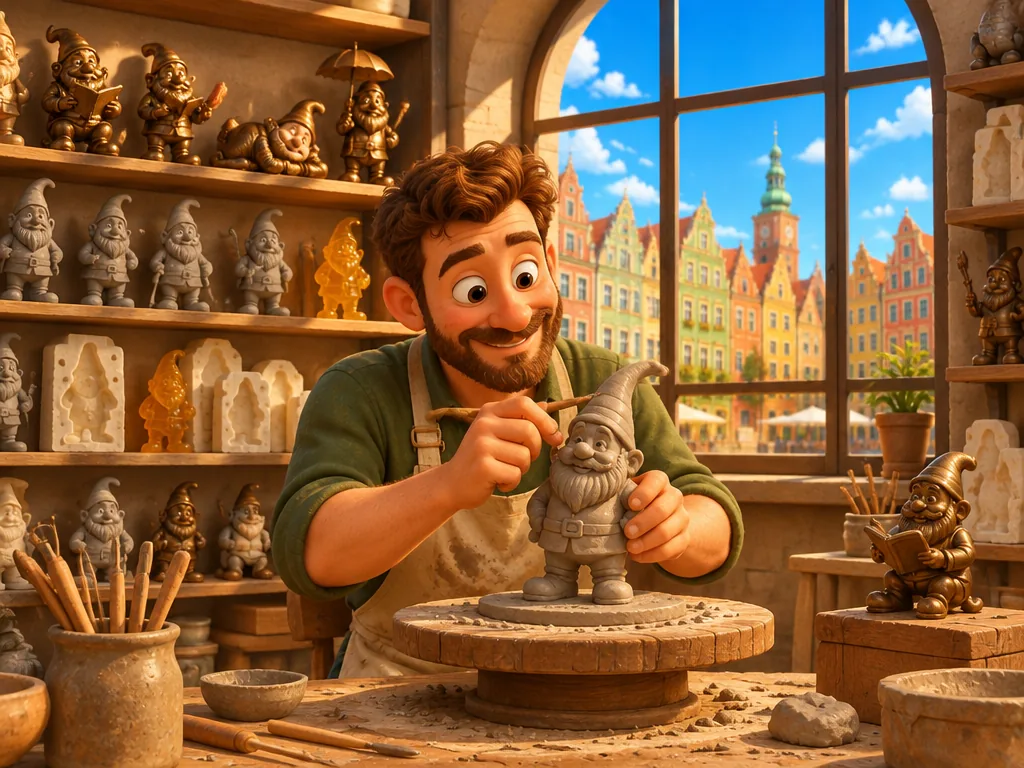
A sculptor shaping a small clay dwarf in a studio overlooking the Market Square
1000+dwarfs in Wrocław; the thousandth went up in September 2025
~240by Beata Zwolańska-Hołod, more than anyone else
~165by Tomasz Moczek, who made the first five in 2005
hundredsmade at Piotr Makała's Wytwórnia Rzeźby studio

There is no single author and no dwarf factory. Each dwarf is a separate commission from a sculptor of the sponsor's choosing.

Who decided what a dwarf looks like?

The dwarfs' look and themes were set in 2005 by Ścibor Szpak, creative director of the Wanilia advertising agency, which wrote the city's "dwarf as a symbol of Wrocław" strategy. Tomasz Moczek gave the sculptures their final shape. The agency then commissioned more dwarfs from Marcin Łuczkowski and Beata Zwolańska-Hołod.

From the first dwarf to the thousandth

  1. 2001

    Papa Krasnal

    The Orange Alternative monument on Świdnicka Street, by Olaf Brzeski: a 40 cm dwarf on an 80 cm plinth.

  2. 2005

    The first five

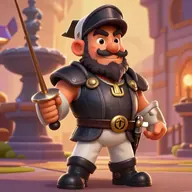
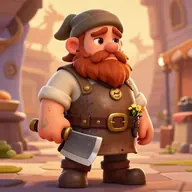
    In August Tomasz Moczek's small dwarfs appear: the Fencer, the Butcher, the Oder Washerman and the two Sisyphuses.

  3. 2007

    The first company dwarf

    On 8 October Marcin Łuczkowski's Pierożnik goes up outside a restaurant, the first commercial dwarf.

  4. 2008

    Ślepak, Głuchak and number 100

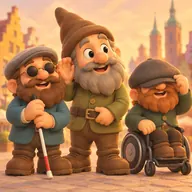
    In June Marta Mirynowska unveils blind Ślepak and deaf Głuchak. In November the hundredth dwarf arrives: 100matolog by Beata Zwolańska-Hołod.

  5. 2014

    Number 300

    Marta Mirynowska's Patrolek, outside the regional police headquarters.

  6. 2016

    Number 400

    Piotr Makała's Aurer, on the Aurora estate.

  7. 2025

    Number 1,000

    In September the thousandth dwarf goes up. The sculptors keep getting new orders.

How many dwarfs arrived each year

New dwarfs from 2005 to 2019, according to Polish Wikipedia. The busiest year was 2017, with 94.

Show the data as a table
YearNew dwarfs
20055
200623
200724
200858
200931
201041
201132
201231
201335
201434
201556
201687
201794
201891
201975

The sculptors you will meet most often

Counts are approximate totals from Polish Wikipedia: some dwarfs have several authors and the list is incomplete. Every dwarf shown is credited there to that sculptor. Tap one to open its page.

Beata Zwolańska-Hołod

~240 dwarfs

A Wrocław sculptor and the author of more dwarfs than anyone else. She has made them since the early years, first for the Wanilia agency, and her 100matolog was the city's hundredth dwarf. For detailed figures she makes separate moulds for the head, hands and body.

"Every dwarf has its own story to tell. My job is to get it ready to live in Wrocław."National Geographic Polska, 2016

Tomasz Moczek

~165 dwarfs

A graduate of the Academy of Fine Arts in Wrocław who has designed dwarfs since 2005. He gave the first dwarfs their final shape and sculpted the first five, the ones that started the city's collection.

Piotr Makała and Wytwórnia Rzeźby

~130 dwarfs

Piotr Makała's own studio ("the sculpture works"), with an office in Wrocław and a workshop in Gaj near Kłodzko. It has made dwarfs "almost from the start", from design through casting to installation, and says several hundred have come out of it.

Marta Mirynowska

~90 dwarfs

A sculptor who works with Wytwórnia Rzeźby. She made Ślepak and Głuchak in 2008, dwarfs that stand for people with disabilities, and Patrolek, the three-hundredth. With Piotr Makała she made Papa Het, among others.

Marlena Zakrzewska

~45 dwarfs

Runs the Biały Kot studio and makes hyper-realistic dwarfs in rubber, artificial stone or bronze.

Marcin Łuczkowski

~30 dwarfs

One of the first sculptors the Wanilia agency hired after Moczek. His Pierożnik of 2007 was the first commercial dwarf.

And others

Papa Krasnal is by Olaf Brzeski. visitWrocław also lists Monika Pola, Aleksander Gołaś and Artur Wochniak, and dwarf records name Sebastian Obst (Cyberek, Diakonki) and Michał Osuch, who made the Słupnik dwarfs. Some dwarfs have no named author at all.

How a bronze dwarf is made

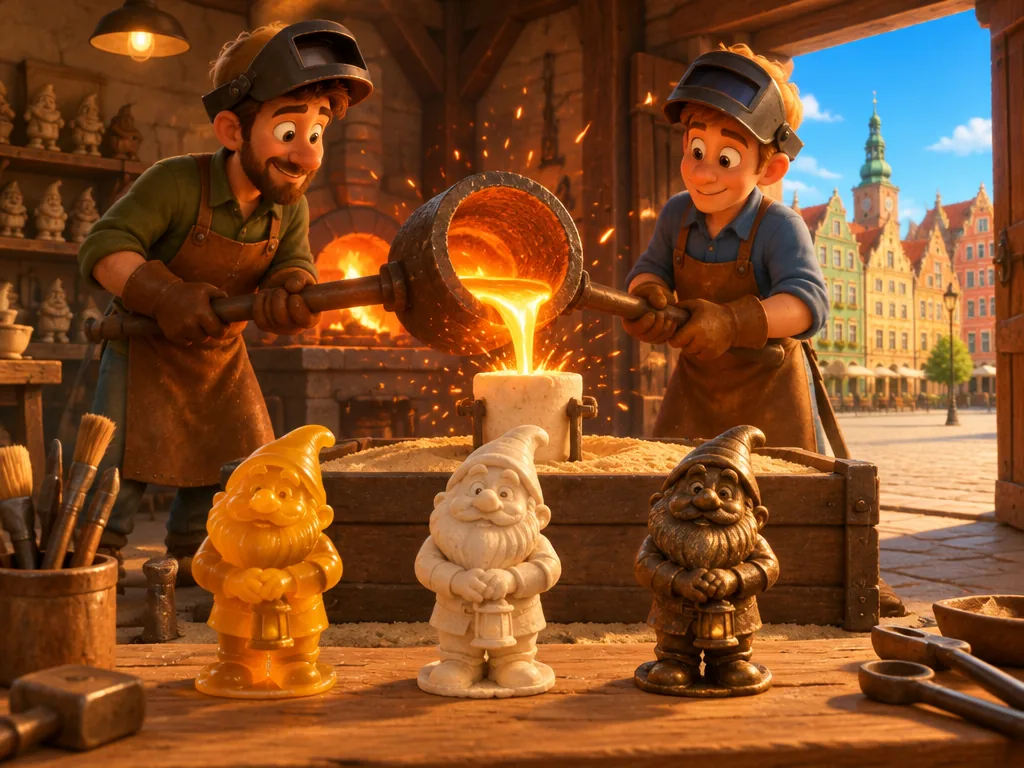
Most dwarfs are cast in bronze using the lost-wax method. This is how Beata Zwolańska-Hołod described it to Tu Wrocław in 2016:

38–40 cmtall
~15 kgof bronze
1200°Ccasting heat
Foundry workers pouring molten bronze into a mould, with a wax, a ceramic-shell and a bronze dwarf in front
  1. Clay modelThe sculptor models the dwarf at full size, usually 38–40 cm.
  2. MouldA plaster or silicone mould is taken from the clay.
  3. WaxThe mould is filled with hot wax and the details are retouched by hand.
  4. ShellThe wax figure is coated in fireclay, a ceramic mix as thick as cream.
  5. FiringThe mould spends 12 hours in a kiln at about 666°C and the wax melts out.
  6. CastingBronze heated to about 1200°C is poured into the empty space.
  7. FinishingGrinding, sandblasting and patina. A finished dwarf weighs about 15 kg on average.
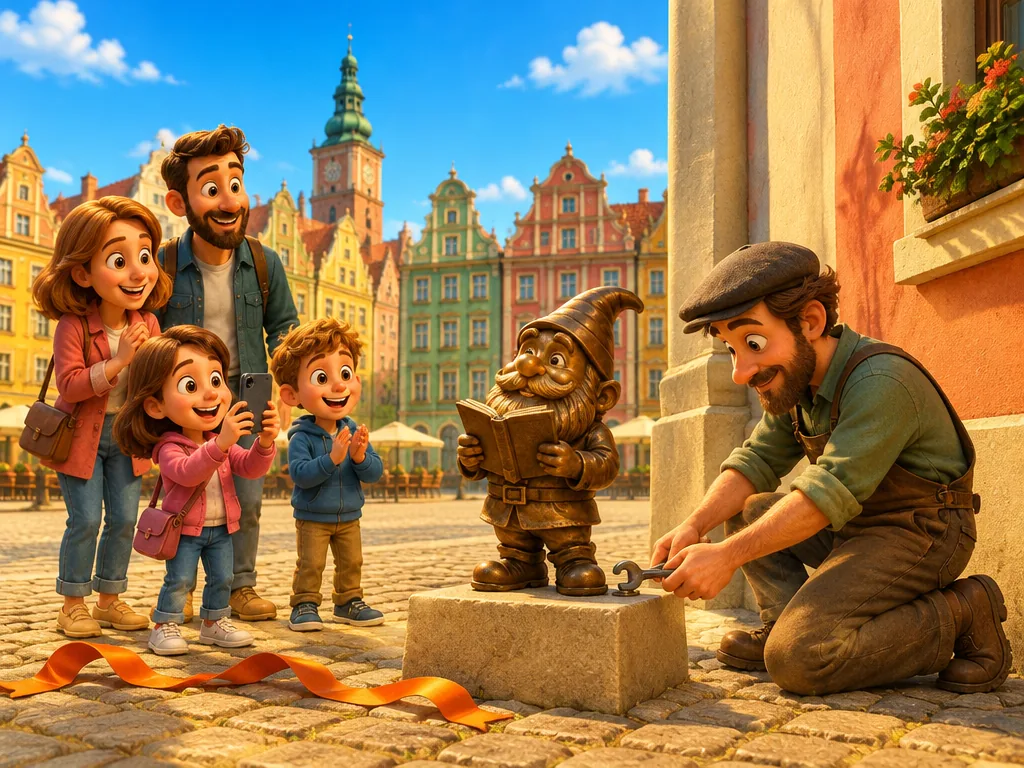
A sculptor fixing a new bronze dwarf to the pavement while a family takes photos

Who orders a dwarf?

Dwarfs "choose where they want to live", as visitWrocław likes to put it. In practice a company, an institution, a political party or a private person orders one and pays for it.

No approval from City Hall is needed. You need the property owner's consent and a sculptor to design and make the figure. A finished dwarf is then added to visitWrocław's database.

That is why so many dwarfs are named after companies, universities and hospitals, and why their characters often hint at the sponsor: a coder outside an IT firm, a doctor by a clinic, a cashier by a bank.

Dwarfs of companies and institutions

Questions and answers

Who sculpted the first dwarf in Wrocław?

Papa Krasnal, the Orange Alternative monument unveiled on 1 June 2001 on Świdnicka Street, is by Olaf Brzeski. The first five small dwarfs, placed in August 2005, were sculpted by Tomasz Moczek.

Who has made the most dwarfs?

According to Polish Wikipedia, Beata Zwolańska-Hołod, with about 240. Tomasz Moczek is second with about 165.

Who designed the dwarfs' look?

Their look and themes were set in 2005 by Ścibor Szpak, creative director of the Wanilia agency. Tomasz Moczek gave the sculptures their final shape.

Are the dwarfs made by one studio?

No. A dozen or so independent sculptors and a few studios make them. The biggest is Piotr Makała's Wytwórnia Rzeźby, which has made several hundred.

What are the dwarfs made of?

Mostly bronze, cast with the lost-wax method. A few are brass, artificial stone or other materials.

Can anyone put up a dwarf?

Yes, with the property owner's consent and a sculptor to make it. City Hall does not need to approve it. New dwarfs are registered with visitWrocław.

See their work in person

Open the map, walk up to a dwarf and add it to your collection. It works in your phone's browser, with no app to install.

Sources